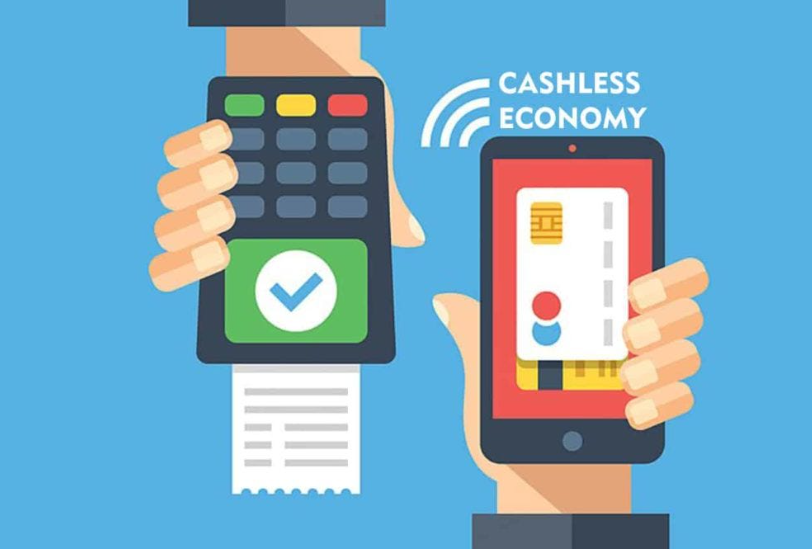
How Technology Enables Cashless Economies
The transition towards cashless economies is fundamentally driven by technological advancements. Digital wallets and mobile payment platforms have gained traction, responding to a consumer base that increasingly values efficiency. Meanwhile, cryptocurrencies offer novel alternatives for secure transactions, challenging traditional banking systems. However, this shift presents both opportunities and hurdles for businesses and consumers alike. Understanding these dynamics is essential to grasp the future landscape of financial transactions. What implications will this evolution hold for economic practices?
The Rise of Digital Wallets and Mobile Payments
As consumers increasingly seek convenience and efficiency in their financial transactions, the adoption of digital wallets and mobile payment systems has surged significantly.
This trend reflects a growing desire for seamless user experiences alongside enhanced digital security measures.
As user adoption continues to rise, these technologies are reshaping the financial landscape, offering not only freedom and flexibility but also innovative solutions for secure transactions.
The Role of Cryptocurrencies in Financial Transactions
How do cryptocurrencies transform traditional financial transactions?
Cryptocurrency adoption fundamentally alters transaction dynamics through decentralized blockchain technology, enhancing security and transparency.
This shift reduces reliance on intermediaries, allowing for faster, lower-cost transfers across borders.
As users embrace these digital currencies, they challenge conventional financial systems, fostering a landscape that prioritizes individual autonomy and financial freedom while presenting both opportunities and challenges for regulatory frameworks.
See also: How Technology Drives Online Engagement
Benefits of Cashless Transactions for Consumers and Businesses
The rise of cryptocurrencies has paved the way for broader discussions on cashless transactions, highlighting their numerous advantages for both consumers and businesses.
Cashless transactions enhance consumer convenience by enabling instant payments and reducing the need for physical currency.
For businesses, these transactions improve efficiency through streamlined operations, reduced cash handling costs, and enhanced data analytics, ultimately fostering a more agile economic environment.
Challenges and Future Trends in Cashless Economies
While cashless economies offer numerous advantages, they also encounter significant challenges that warrant careful consideration.
Security concerns regarding data breaches, coupled with a growing digital divide, hinder widespread adoption. Regulatory challenges complicate the integration of diverse payment systems, while insufficient technological infrastructure can impede progress.
Additionally, shifts in consumer behavior influence the acceptance of cashless transactions, necessitating adaptive strategies for future success.
Conclusion
As cashless economies continue to evolve, the theory that digital transactions could replace physical cash entirely gains traction. Analyzing current trends reveals a significant shift toward convenience and security, yet questions remain about the digital divide and privacy concerns. While technology undeniably enhances payment systems, its true success hinges on addressing these challenges. Ultimately, the future of cashless transactions will depend on balancing innovation with inclusivity, ensuring that no demographic is left behind in this financial transformation.